
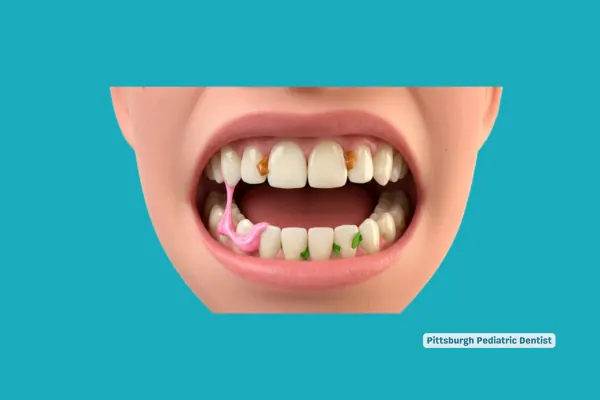
What Actually Happens After Teeth Cleaning?
The moment your appointment ends, your mouth is not in its usual state. The cleaning clears away the buildup that had been sitting on your teeth, leaving the enamel more directly exposed. Without that thin coating, colors from drinks and foods can cling faster than expected, which is why early choices can affect how long your teeth stay bright. Sensitivity can also show up more noticeably. Areas that were covered by tartar are now open, so cold water, citrus, or even air can trigger a quick, sharp response. It feels sudden, but it usually fades as your teeth settle back to normal. Your gums go through a mild recovery phase as well. Since the cleaning works along the gumline, the tissue can feel slightly tender for a short time. Foods that are too hard or heavily spiced can irritate these spots and make eating uncomfortable.Foods You Should Not Eat After Teeth Cleaning
1. Staining Foods
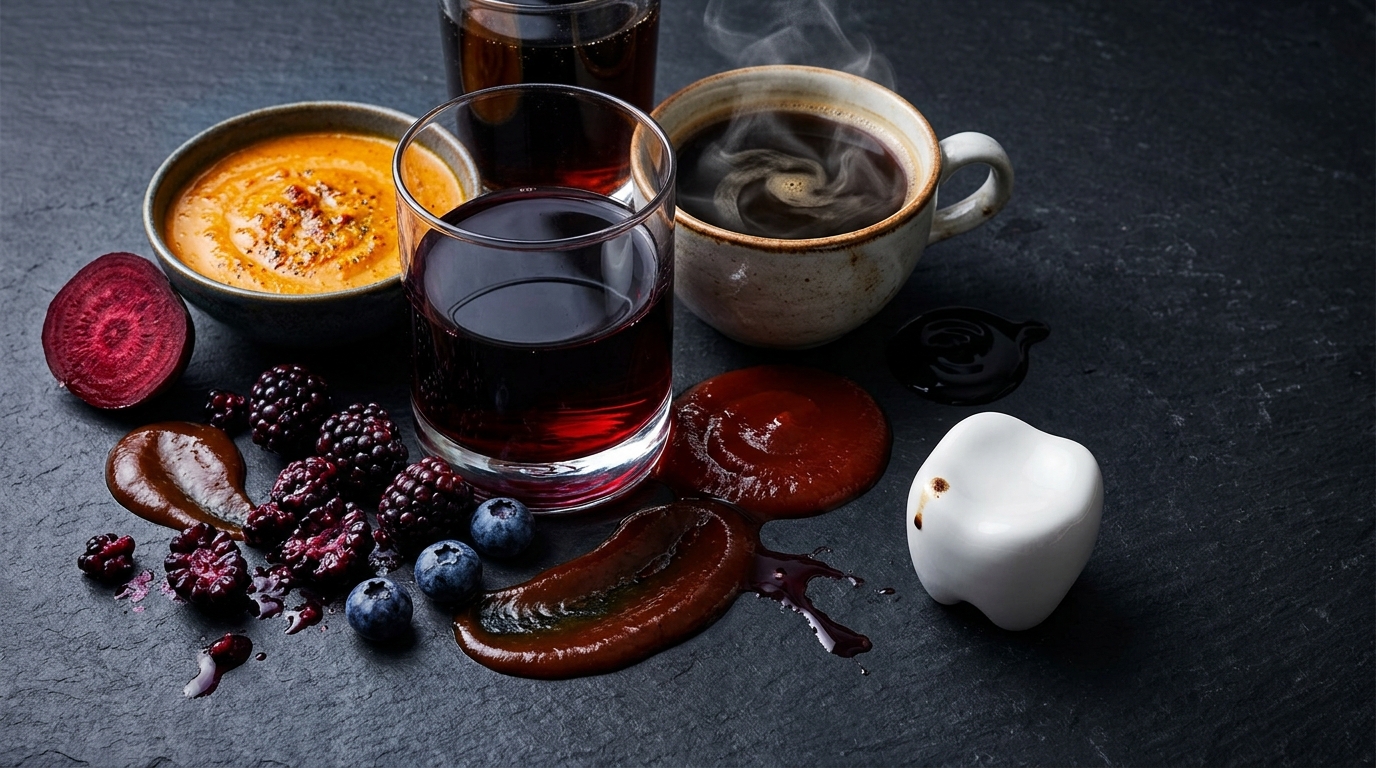 Staining foods are the quickest way to dull that freshly cleaned look, especially within the first 24 hours. Your teeth are more receptive to color during this window, so even a single meal can leave visible marks that are harder to remove.
Here are the main foods and drinks to avoid:
Staining foods are the quickest way to dull that freshly cleaned look, especially within the first 24 hours. Your teeth are more receptive to color during this window, so even a single meal can leave visible marks that are harder to remove.
Here are the main foods and drinks to avoid:
- Coffee and iced coffee
- Black tea and herbal tea blends have a strong color
- Red wine and dark grape juices
- Cola and dark soft drinks
- Tomato-based pasta sauces and pizza sauce
- Soy sauce and teriyaki sauce
- Barbecue sauce and marinades
- Berry-based foods like blueberries, blackberries, and smoothies
- Beetroot and beet salads
- Turmeric-rich dishes, curry, and heavily spiced rice
2. Acidic Foods and Drinks
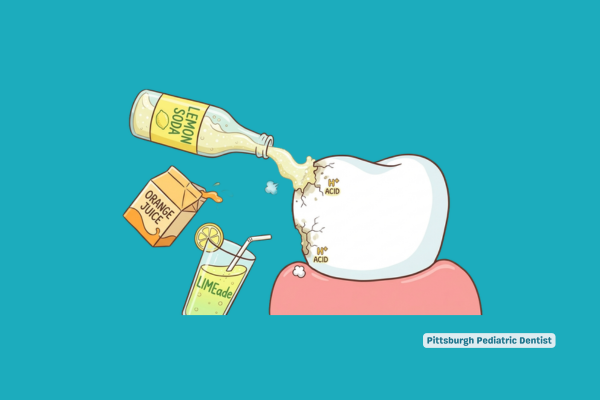
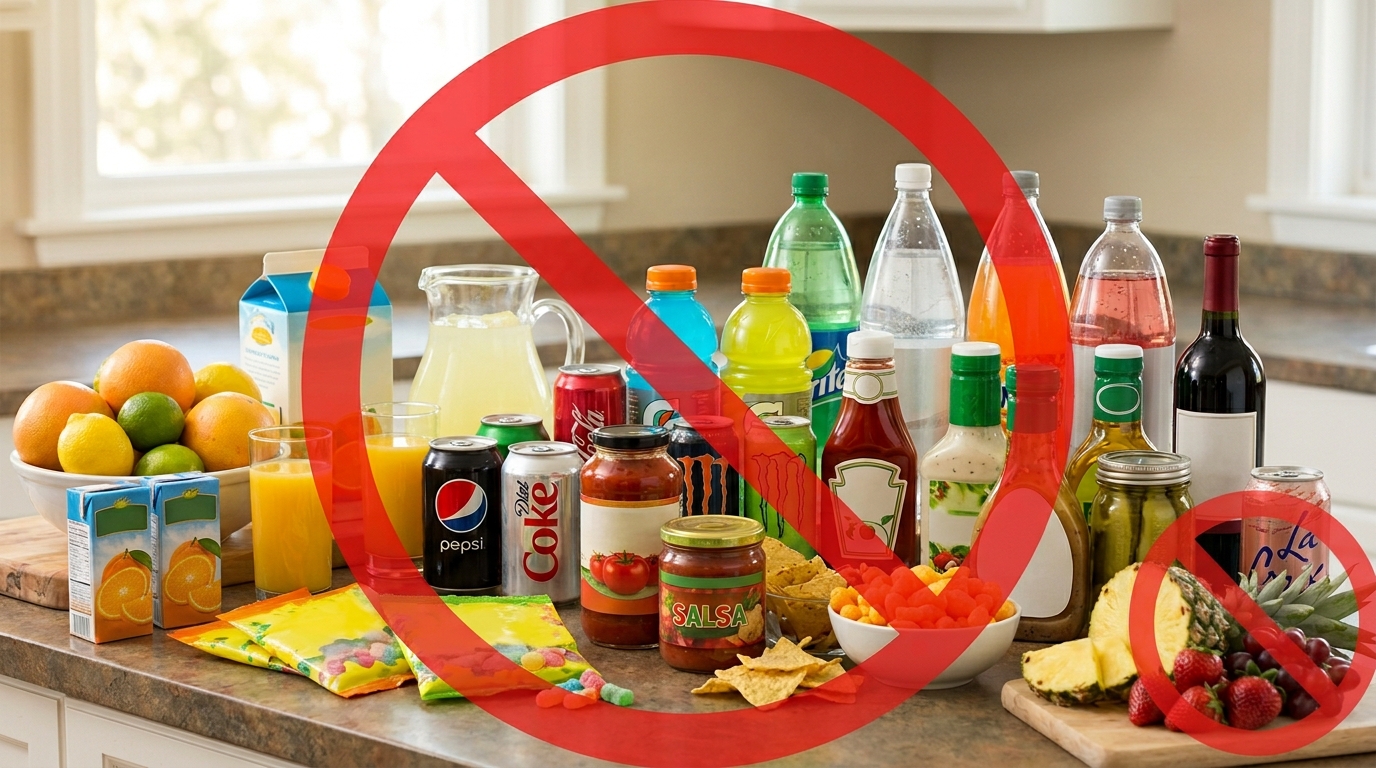 Acidic foods and drinks create a different kind of problem. They do not just affect appearance, they directly impact how your teeth feel. During the hours after cleaning, your enamel is more vulnerable, and exposure to acids can make sensitivity sharper and more noticeable.
Here are the main acidic foods and drinks to avoid:
Acidic foods and drinks create a different kind of problem. They do not just affect appearance, they directly impact how your teeth feel. During the hours after cleaning, your enamel is more vulnerable, and exposure to acids can make sensitivity sharper and more noticeable.
Here are the main acidic foods and drinks to avoid:
- Oranges, lemons, limes, and grapefruit
- Fruit juices like orange juice, lemonade, and packaged juices
- Soda, diet soda, and sparkling drinks
- Sports drinks and energy drinks
- Tomato-based foods like pasta sauce, salsa, and ketchup
- Vinegar-based foods such as salad dressings and pickles
- Sour candies and citrus flavored snacks
- Wine and flavored sparkling water
- Berries like pineapple, strawberries, and grapes
3. Very Hot or Very Cold Foods
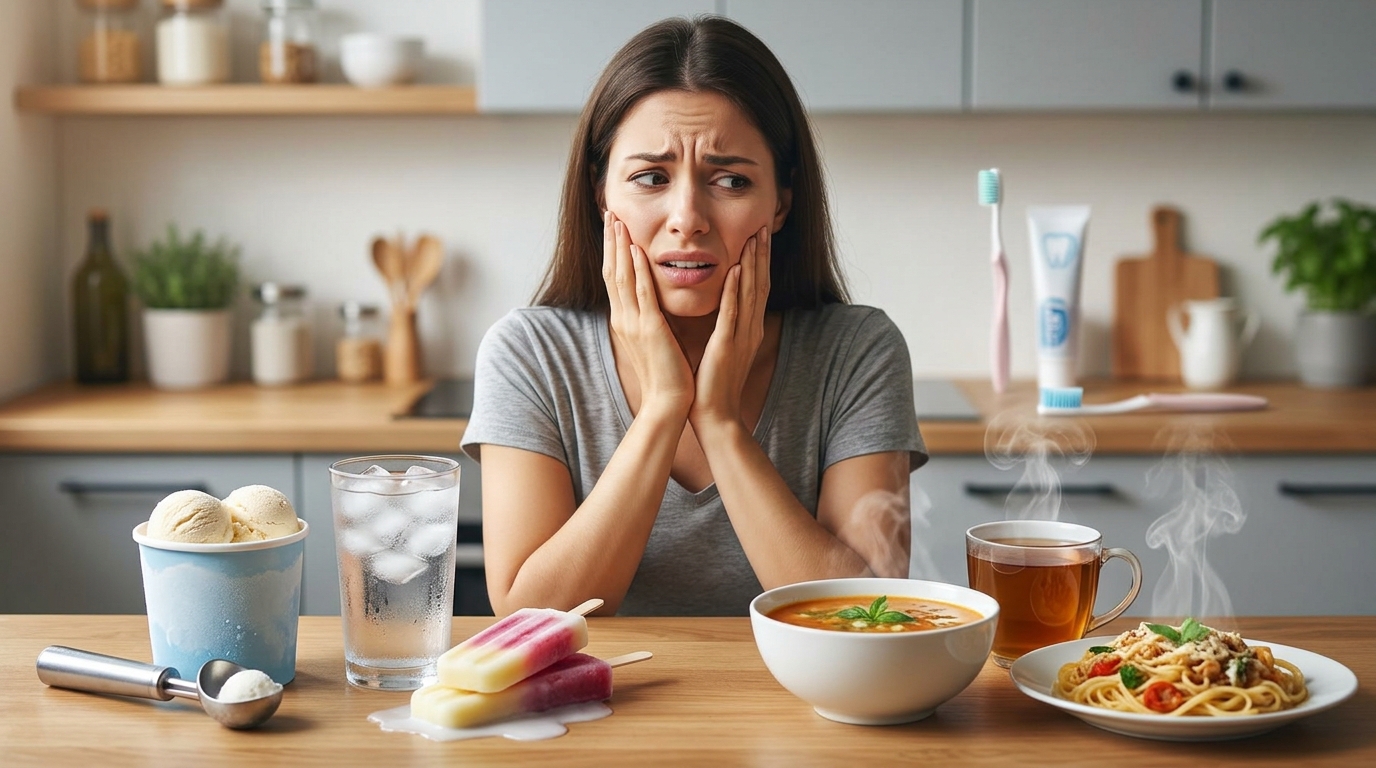 Very hot or very cold foods can feel surprisingly uncomfortable after a cleaning, even if they never bothered you before. This reaction usually shows up as a quick, sharp sensation that fades within seconds but feels intense in the moment.
Here are the main foods and drinks to avoid:
Very hot or very cold foods can feel surprisingly uncomfortable after a cleaning, even if they never bothered you before. This reaction usually shows up as a quick, sharp sensation that fades within seconds but feels intense in the moment.
Here are the main foods and drinks to avoid:
- Ice cream and frozen desserts
- Iced coffee and chilled soft drinks
- Cold water with ice
- Popsicles and slushies
- Hot tea and hot coffee
- Freshly cooked soups served very hot
- Steaming meals straight off the stove
- Hot chocolate and heated milk drinks
4. Hard and Crunchy Foods
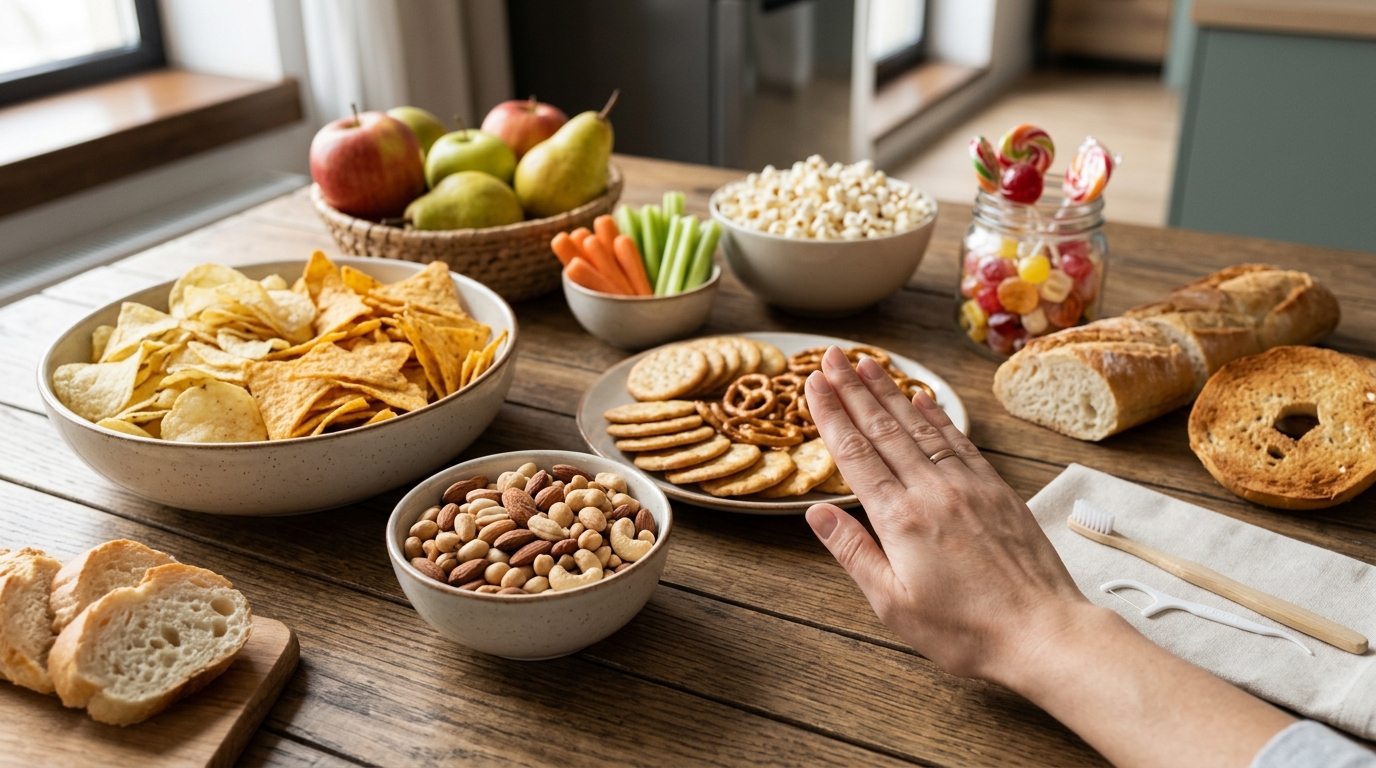 Hard and crunchy foods may seem harmless, but they can be surprisingly rough on your mouth right after a cleaning. Your gums are slightly tender, and your teeth may feel more sensitive than usual, which makes pressure from chewing more noticeable.
Here are the main foods to avoid:
Hard and crunchy foods may seem harmless, but they can be surprisingly rough on your mouth right after a cleaning. Your gums are slightly tender, and your teeth may feel more sensitive than usual, which makes pressure from chewing more noticeable.
Here are the main foods to avoid:
- Potato chips and tortilla chips
- Nuts such as almonds, peanuts, and cashews
- Popcorn
- Crackers and pretzels
- Raw vegetables like carrots and celery
- Hard fruits like apples and pears
- Hard candy and lollipops
- Crusty bread and toasted bagels
5. Sticky and Sugary Foods
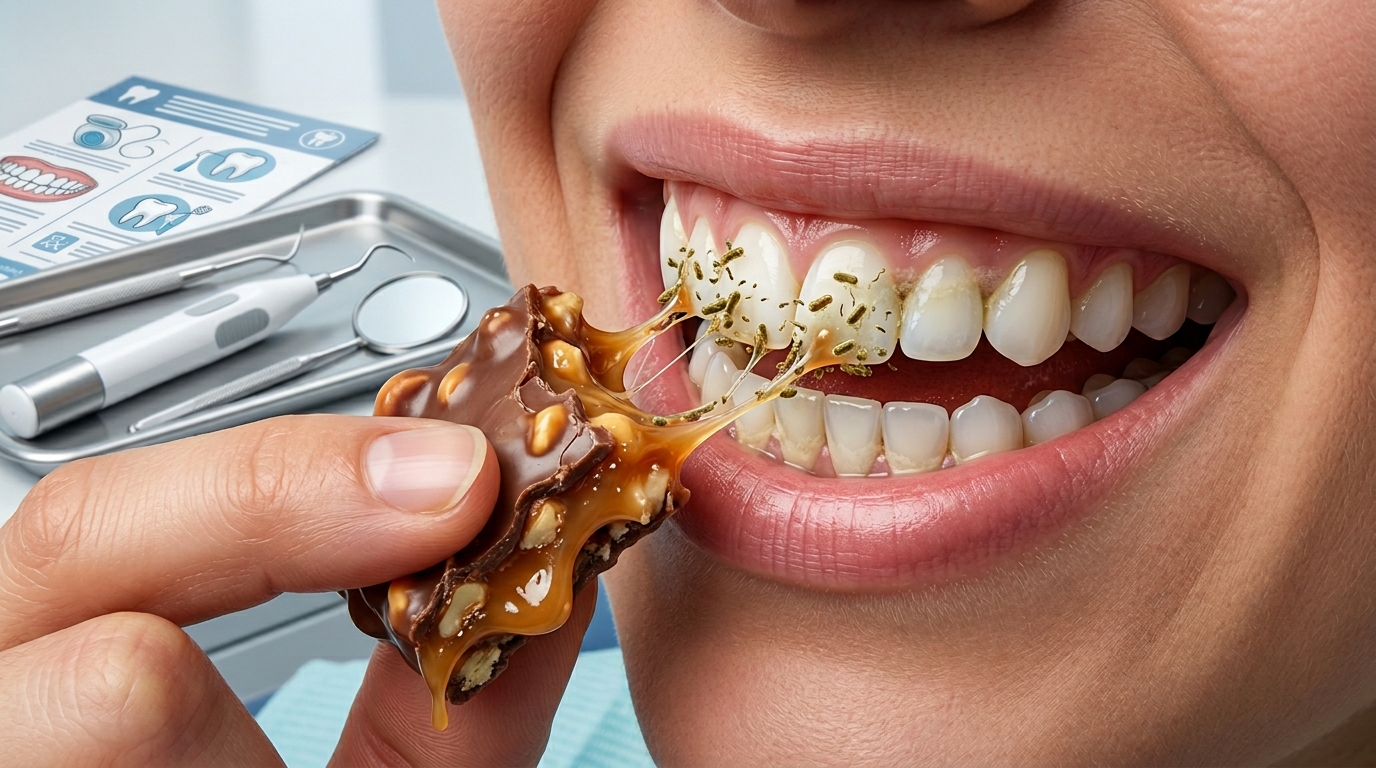 Sticky and sugary foods may look harmless, but they undo your cleaning faster than anything else. Right after your appointment, your teeth are at their cleanest state with minimal bacterial buildup. The moment sugar enters your mouth, bacteria start feeding on it and producing acids that lead to plaque formation
Here are the main foods to avoid:
Sticky and sugary foods may look harmless, but they undo your cleaning faster than anything else. Right after your appointment, your teeth are at their cleanest state with minimal bacterial buildup. The moment sugar enters your mouth, bacteria start feeding on it and producing acids that lead to plaque formation
Here are the main foods to avoid:
- Caramel and toffee
- Gummy candies and jelly sweets
- Chewing gum with sugar
- Chocolate bars with fillings
- Pastries, donuts, and cookies
- Sugary cereals
- Dried fruits like raisins and dates
- Sweetened yogurt and flavored milk
- Candy bars and lollipops
6. Spicy Foods
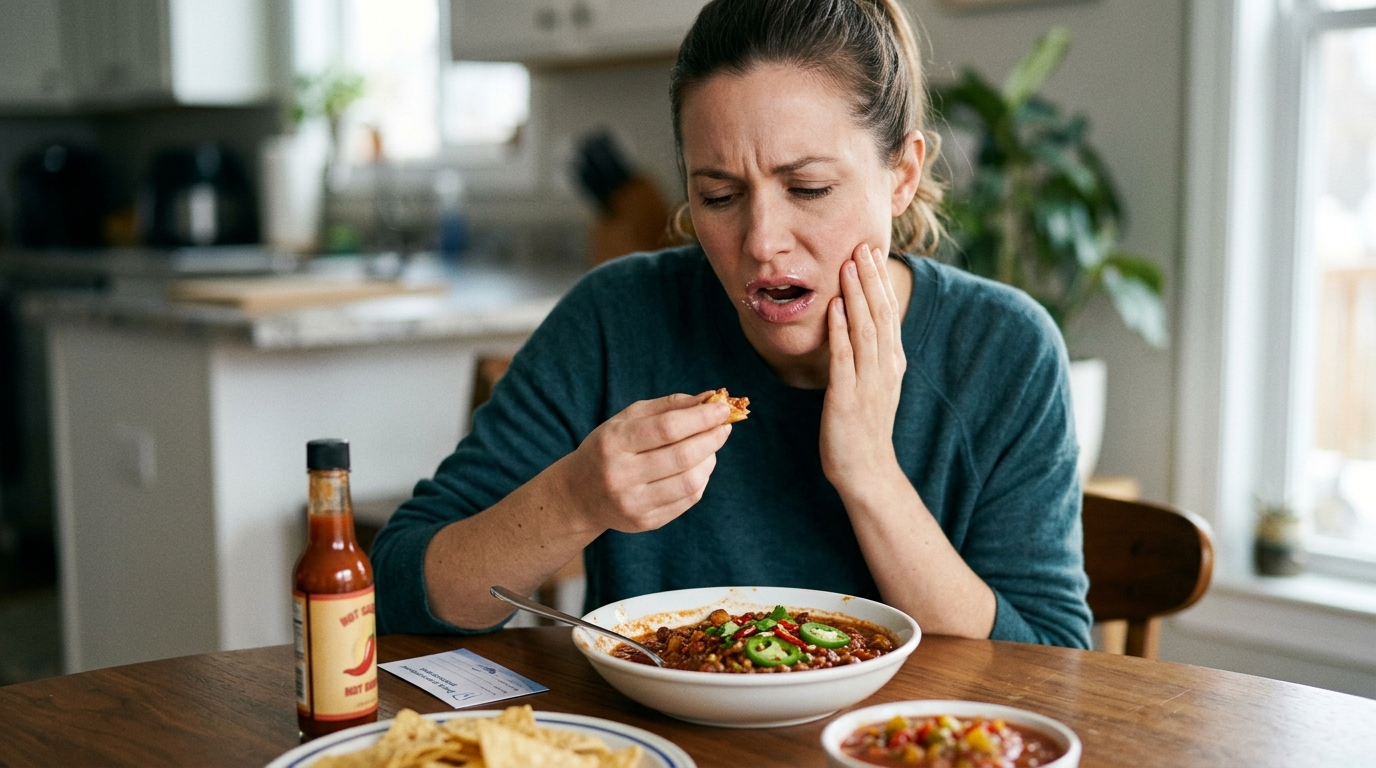 Spicy foods are one of the most overlooked triggers after a cleaning, especially if your regular diet includes bold flavors. Even when everything feels fine at first, these foods can quickly turn mild sensitivity into noticeable discomfort.
Here are the main foods to avoid:
Spicy foods are one of the most overlooked triggers after a cleaning, especially if your regular diet includes bold flavors. Even when everything feels fine at first, these foods can quickly turn mild sensitivity into noticeable discomfort.
Here are the main foods to avoid:
- Hot wings and buffalo-style chicken
- Chili and heavily spiced stews
- Spicy curries and masala-based dishes
- Salsa with jalapeños or habanero
- Hot sauces like sriracha or Tabasco
- Spicy ramen and instant noodles
- Tacos with spicy fillings or sauces
- Wasabi and horseradish-based foods
When Should You Avoid These Foods?
What you eat matters, but when you eat it matters more. Your mouth settles in stages, and each phase needs a slightly different level of care.- First 0 to 2 hours: If your mouth is still numb, avoid eating altogether. Skip hot drinks as well. You may not feel temperature or pressure properly, which increases the chance of biting your cheek or triggering sudden sensitivity.
- First 24 hours: This is the most sensitive window. Stay away from staining foods, acidic items, and anything spicy. Your teeth can pick up color faster during this time, and your gums are still recovering, so irritation shows up more easily.
- 24 to 48 hours: Discomfort usually starts to settle. You can begin moving back to your regular diet, but ease into it. If something feels too sharp, hot, or intense, give it a little more time.
What Can You Eat After Teeth Cleaning?
Right after your cleaning, picking the next meal can feel more restrictive than expected. You are not just avoiding discomfort, you are also trying to protect that freshly polished look. The good news is you do not need a complicated diet, just a smarter way to choose what goes on your plate.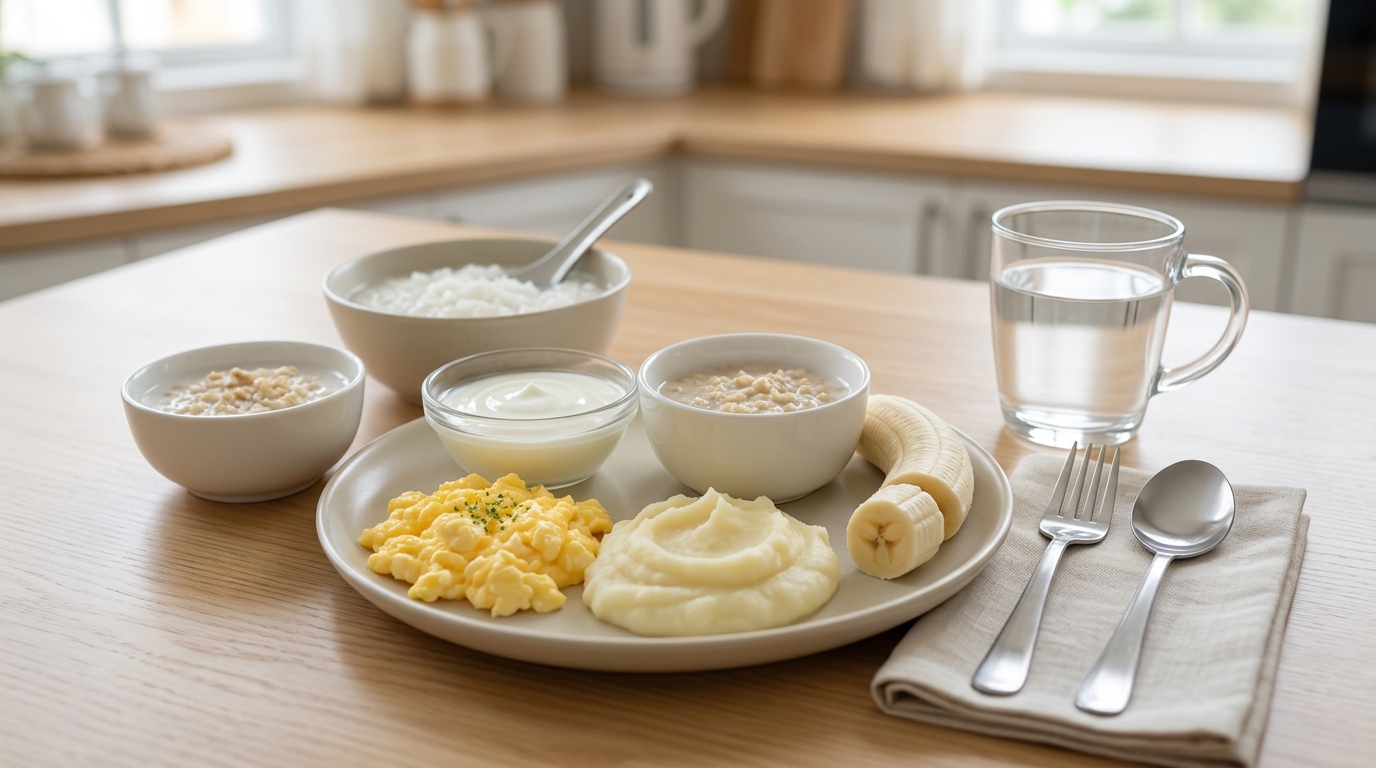 Here are the safer options:
- Plain yogurt without added color or fruit
- Scrambled eggs cooked soft, not browned
- White rice, congee, or lightly buttered pasta
- Bananas and peeled soft fruits like ripe pears
- Oatmeal made with water or milk, served warm, not hot
- Mashed potatoes without heavy seasoning
- Clear or cream soups that are lukewarm, not steaming
- Cottage cheese or soft paneer
- Plain toast softened with a spread, not crispy
How Pediatric Dental Care Impacts Post Cleaning Diet?
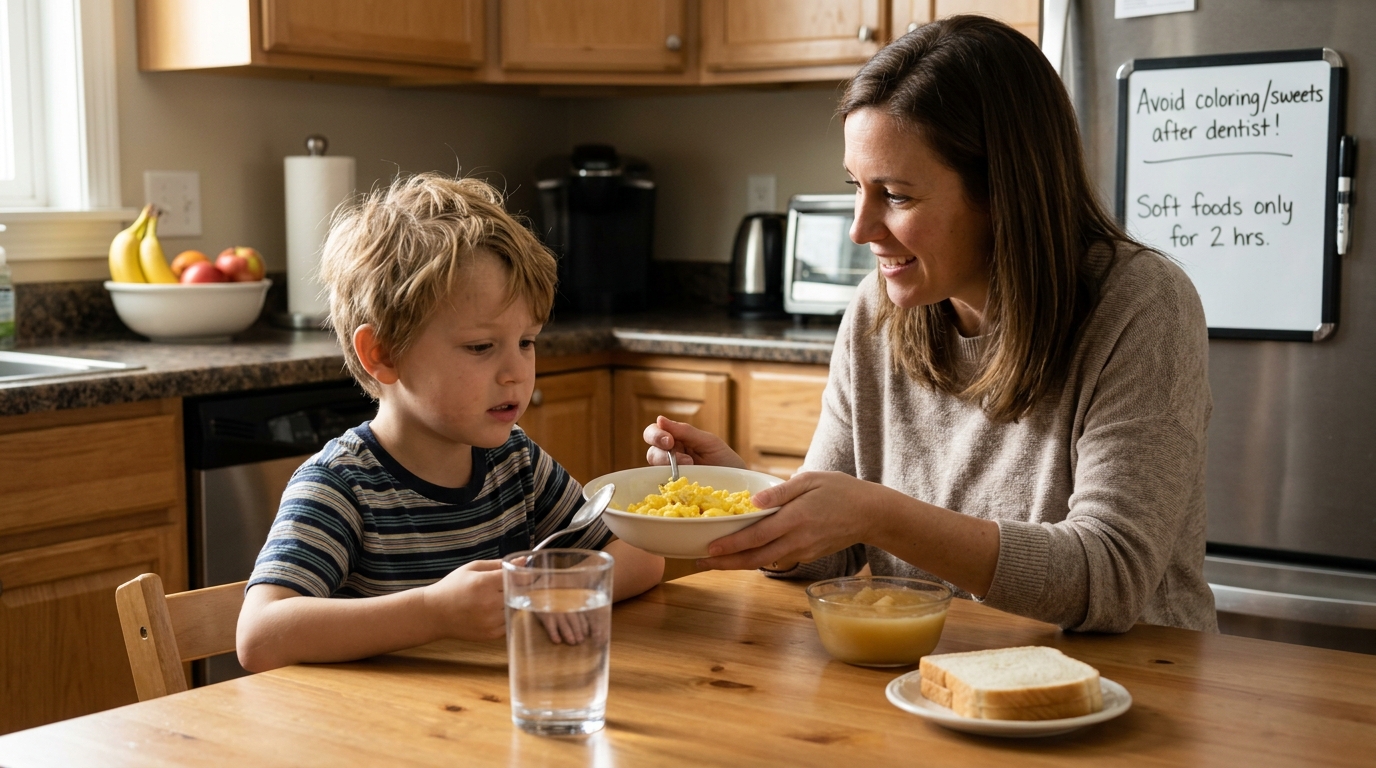 Children often react more strongly after a cleaning, even when the visit is routine. Their teeth are more sensitive, and even mild temperature changes or flavors can feel uncomfortable. On top of that, many kids expect a treat right after their appointment, which often leads to juice, candy, or sugary snacks at the worst possible time.
As a parent, your choices during the next few hours matter more than you might expect. Keeping food simple helps your child stay comfortable and protects the results of the cleaning.
Children often react more strongly after a cleaning, even when the visit is routine. Their teeth are more sensitive, and even mild temperature changes or flavors can feel uncomfortable. On top of that, many kids expect a treat right after their appointment, which often leads to juice, candy, or sugary snacks at the worst possible time.
As a parent, your choices during the next few hours matter more than you might expect. Keeping food simple helps your child stay comfortable and protects the results of the cleaning.
- Offer soft, easy-to-chew foods for the next meal
- Avoid colored drinks like juice, soda, or flavored milk
- Watch for signs of sensitivity while your child eats
Keep That Fresh, Clean Feeling Going
The hours after a teeth cleaning are easy to overlook, yet they shape how long those results actually last. Your enamel is more reactive, your gums are settling, and your teeth can pick up stains faster than usual. What you choose to eat during this short window can either protect that clean finish or fade it sooner than expected. A little awareness goes a long way. Choosing the right foods for just a day helps reduce sensitivity, avoids early staining, and keeps your child comfortable after their visit. Consistent cleanings paired with the right aftercare make a noticeable difference in long-term oral health. At Pittsburgh Pediatric Dentist, children receive gentle, child-friendly cleanings along with guidance that fits their specific needs, including preventive options like fluoride treatments and sealants. If your child is due for a visit or you have questions about aftercare, scheduling an appointment is a simple step toward keeping their smile healthy and strong. Call (412) 785 2772 to get started.

Dr. Morgan Choe, DMD
Dr. Morgan Choe focuses on preventive care, parent education, and creating a comfortable dental experience for children.
Meet Dr. Morgan Choe